Where Remote Guarding Actually Fits in a Dealer’s Business
The Question Isn’t Whether It Works
Most dealers have already heard about remote guarding, and in many cases, they’ve seen it in action or had customers ask about it directly. At this point, the question isn’t whether the service works. It does. The more practical question is how it fits into an existing business without getting in the way of how things already run. That hesitation is reasonable. Dealers aren’t looking to take on something that forces them to rethink how they sell, install, or support accounts. What they’re looking for is a way to build on what’s already in place and make it more valuable over time.It Starts With What’s Already Installed
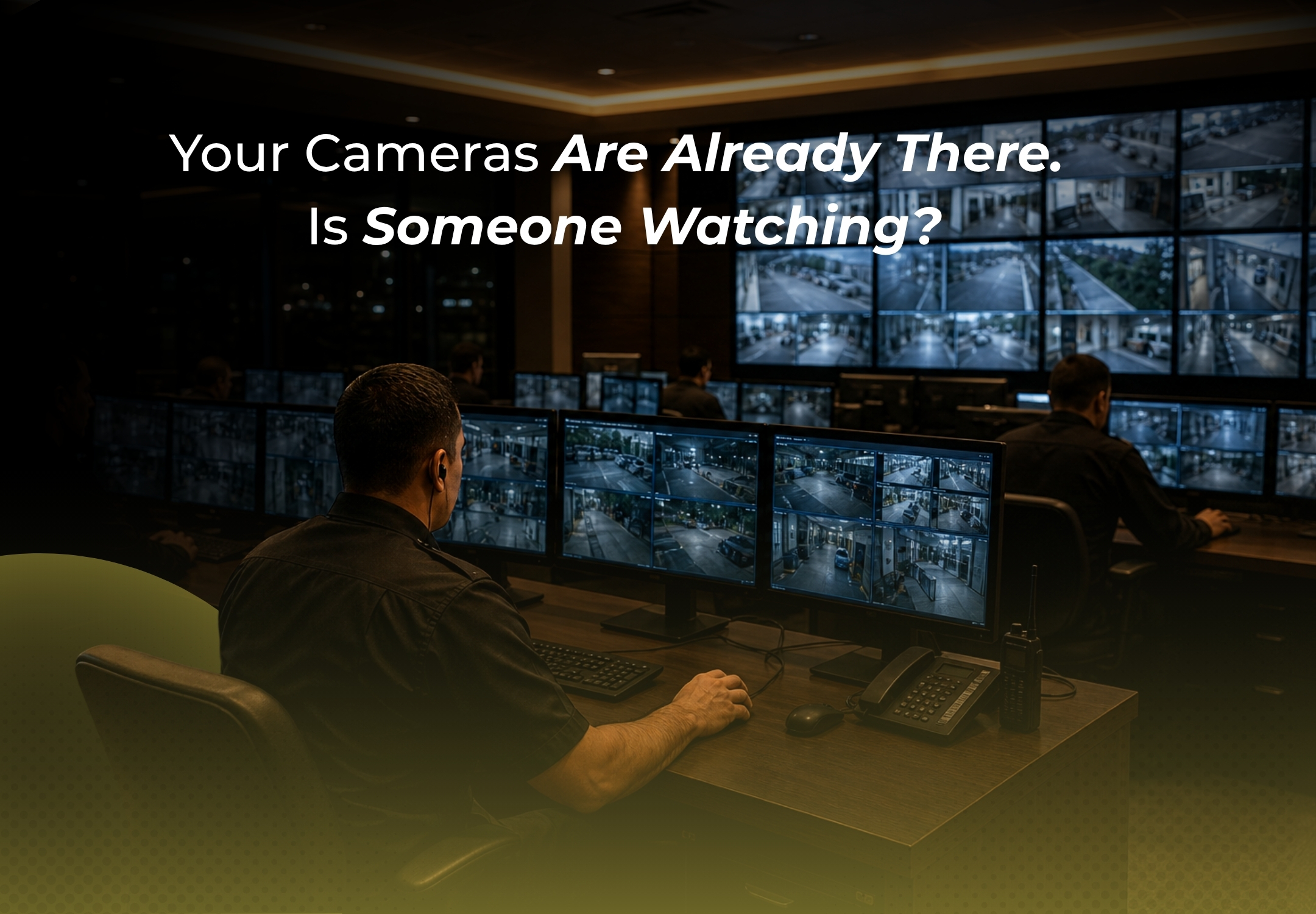
In most cases, the opportunity isn’t tied to new equipment. It’s already out in the field. Cameras are being installed every day across commercial properties, construction sites, and industrial environments, and while they serve an important role, they’re often only used after something happens. Remote guarding changes how those systems are used. Instead of waiting to review an event after the fact, it introduces a layer of real-time response. That shift matters to customers, especially in environments where response time is part of the concern, and it changes how those systems are positioned. What was once a one-time installation starts to carry ongoing value. If you are already installing cameras, the starting point is not new equipment. It is identifying where remote guarding fits into accounts you already support. Worldview Monitoring works with monitoring centers and security providers to help dealers introduce the service in a way that aligns with how they already operate. Call +1 800 912 2366 or visit https://worldviewmonitoring.com/ to learn more.Introducing It Without Changing Your Model
One of the more common concerns is whether remote guarding requires a shift in how business is done. In practice, it doesn’t. Most dealers ease into it, starting with a handful of accounts where the need is clear and the value is easy to explain. From there, the service tends to settle into place. Those early deployments shape how it’s discussed with other customers, and over time it becomes easier to position and support without changing the structure of the business. Installation stays the same, the customer relationship stays intact, and the service simply adds another layer to what is already there.Where It Starts to Gain Traction
Adoption tends to build gradually, and it usually starts in places where the gap is already obvious. That often includes:- sites that sit empty after hours • properties with a history of repeat incidents • locations where response time has been an ongoing concern